thethinkmedia@raipur
Bureaucracy Vs Public Representatives
The growing friction between elected representatives and the bureaucracy in Chhattisgarh is becoming increasingly visible. Reports suggest that even ruling party MLAs are facing difficulties in getting due administrative cooperation at the ground level. The recent episode involving Samri MLA Uddheshwari Paikra and a local SDM highlights the issue. The MLA reportedly expressed strong displeasure after the SDM skipped a public programme despite being invited, leading to a heated exchange. The matter escalated to the extent that she issued an ultimatum to the district administration. Such instances raise broader questions about coordination between governance and administration. A balanced relationship between elected representatives and officials remains essential for effective public service delivery.
FIR Against Anil Agarwal: A Rare Move
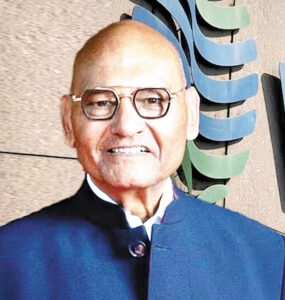 The registration of a case against Anil Agarwal following a fatal industrial incident has sparked widespread discussion. Traditionally, in such cases, action has been directed at plant-level management rather than company promoters. This development is being viewed as a significant shift in accountability standards. While some see it as a step towards stricter corporate responsibility, others believe it may have broader implications for industrial confidence. The matter remains under investigation, and the outcome is likely to set an important precedent.
Changing Governance Strategies in Chhattisgarh
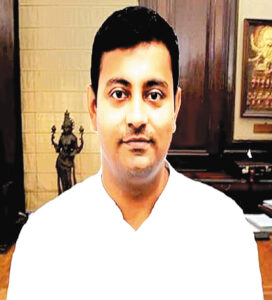 Political observers note evolving governance strategies across different administrations in the state. From the tenure of Raman Singh to Bhupesh Baghel and now Vishnu Deo Sai, administrative approaches have seen distinct shifts. Recent appointments and institutional positioning suggest a more structured and strategy-driven approach in governance. The emphasis appears to be on coordination, communication, and long-term planning ahead of future political milestones. Such strategic recalibrations often play a crucial role in shaping governance outcomes.
Fresh Controversy in Police Department
 The state police department continues to remain in focus with fresh allegations surfacing. A Deputy Superintendent of Police has reportedly accused a senior officer of harassment, adding to recent controversies. Though no official statement has been made public yet, the matter is said to be under internal review. The officer concerned has reportedly gone on leave, and efforts are underway to address the situation administratively. The episode underlines the importance of maintaining professional conduct and internal grievance mechanisms within the force.
Debate over Women Welfare Schemes
 Variations in financial assistance provided to women under different state schemes have triggered discussion. Comparisons with other states have led to questions about the adequacy of support in Chhattisgarh. While welfare schemes remain a key political priority, differences in implementation and benefit amounts often become points of public debate. The issue may gain further traction as expectations among beneficiaries continue to rise. Policy alignment and financial feasibility are likely to shape future decisions in this regard.
Political Fortunes and Changing Equations
 In the dynamic landscape of state politics, the rise and fall of individual leaders remains a constant theme. Discussions within political circles indicate that the trajectory of a senior minister may not be as strong as it once appeared. Despite maintaining a low-profile approach initially, recent developments suggest emerging challenges and shifting perceptions. Political fortunes often depend on timing, strategy, and public perception. As always, the situation remains fluid, with future developments likely to redefine the narrative.