Thethinkmedia@raipur
The Opium Politics
 Drug scandals, political sparring, administrative discontent and factional battles are shaping the current political landscape in Chhattisgarh.
Drug abuse in the state has reached such alarming levels that even a BJP leader is now alleged to have entered the trade. Until now, cases of illegal smuggling and supply of drugs and opium had occasionally been exposed. But the latest revelations indicate that the situation may have moved a step further.
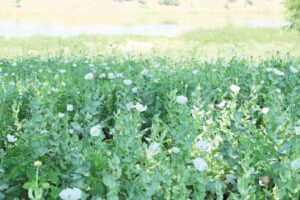
The illegal drug trade appears to have broken all previous records. It is no longer merely about smuggling or supply; illegal production itself has come to light. Police investigations have revealed a shocking development — nearly nine acres of land at a BJP leader’s farmhouse were allegedly being used for opium cultivation. Photographs of flourishing opium crops have also appeared in newspapers.
Naturally, this raises troubling questions. Did this crop grow overnight? When were the seeds sown and by whom? Who was protecting this illegal cultivation all this time? Will this crop, which threatens to damage the social fabric of the state, become just another episode in political blame games, or will investigators actually reach the real culprits behind it? The answers may emerge in the coming days.
When Drugs Meet Politics
 The issue of drugs rarely remains confined to law enforcement; politics soon enters the scene. A few months ago, a young woman named Navya Malik made headlines in Chhattisgarh in connection with alleged illegal drug dealings. Political circles and sections of the media quickly labelled her a “drug queen”.
Whether she is truly the kingpin of a larger network or merely one link in a bigger chain remains a matter of investigation. Yet the controversy surrounding her has revived the broader politics of drugs in the state.
The opposition has raised the issue repeatedly, even taking it to the Assembly. The name of Navya Malik echoed inside the House during debates. Interestingly, there appeared to be notable differences between the government’s official responses and the reports published in the media, prompting a fresh round of allegations and counter-allegations.
Amid the political noise, some fundamental questions remain unanswered. Were the 850 people allegedly linked to Navya Malik ever questioned? What role did hotel, pub and club operators play in the alleged drug racket? Have the suspected links with Delhi, Mumbai and Punjab been properly investigated? The truth behind the politics of drugs and opium in the state still remains elusive.
Sai’s Discontent with Sao’s Department
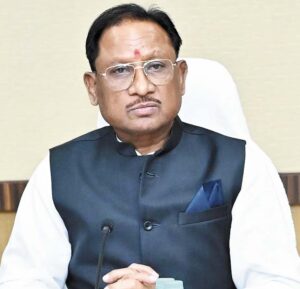
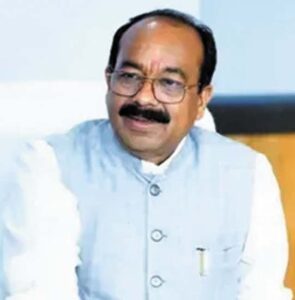 Another development that has caught political attention is Chief Minister Vishnu Deo Sai’s apparent dissatisfaction with the functioning of the Public Works Department, a key portfolio held by Deputy Chief Minister Arun Sao.
The Chief Minister’s displeasure reportedly surfaced during review meetings and quickly found its way into the public domain through media reports. According to the Chief Minister himself, the poor quality of roads and construction works is damaging the government’s image.
In reality, the condition of roads and infrastructure across several parts of the state has been a persistent concern for the public. Since these are issues that directly affect daily life, the Chief Minister’s concerns appear justified. However, whether the department will improve in line with his expectations will only become clear in the coming months.
At the same time, urban local bodies and the Public Health Engineering (PHE) Department have also been under scrutiny. Controversies surrounding the Jal Jeevan Mission refuse to die down. The ambitious central scheme aimed at providing tap water to every household has faced multiple hurdles in the state. Complaints regarding bureaucratic arbitrariness in municipal bodies continue to surface.
When the Chief Minister publicly expresses dissatisfaction with departments held by his own Deputy Chief Minister, the question of accountability naturally arises.
BJP’s Political Message
 The Bharatiya Janata Party has once again sent a clear political signal through the Rajya Sabha elections. Several senior leaders from Chhattisgarh — including former Assembly Speakers Prem Prakash Pandey and Gaurishankar Agrawal, as well as senior BJP leader Saroj Pandey — were widely discussed as potential candidates.
However, the party leadership surprised observers by announcing Laxmi Verma as the Rajya Sabha candidate.
The move appears to follow the pattern seen during the formation of the state cabinet, where the party leadership opted for relatively fresh faces instead of relying solely on established veterans. The decision suggests that the BJP intends to gradually promote new leadership and provide opportunities to grassroots workers, thereby strengthening the party’s future organisational base.
Congress and the Shadow of Factionalism
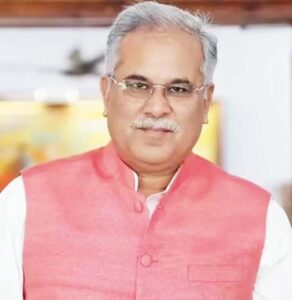
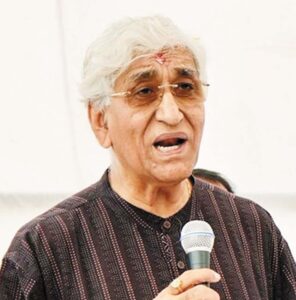 Factionalism has long been a defining feature of the Chhattisgarh Congress, and signs suggest it may once again resurface. Over the past few years, two prominent camps have emerged within the party — one associated with former Chief Minister Bhupesh Baghel and the other with former Deputy Chief Minister T.S. Singh Deo.
During Baghel’s tenure as Chief Minister, the Singh Deo camp appeared to weaken significantly. However, the current political environment has altered the internal balance.
The Rajya Sabha election could have served as an opportunity to bridge internal differences, but that opportunity seems to have been missed. Names such as Bhupesh Baghel, T.S. Singh Deo, Mohan Markam and Deepak Baij were widely discussed. Eventually, the party opted for Phulo Devi Netam, citing the need to improve women’s representation in the Upper House.
Baghel had already declined to contest the Rajya Sabha, while Singh Deo has reportedly shown greater interest in national-level politics in Delhi. As the state gradually moves toward another election cycle, the Congress may once again witness internal factional battles.
With this nomination, Phulo Devi Netam becomes the second woman leader from the state to be elected to the Rajya Sabha for a second term. Earlier, Mohsina Kidwai had also served two terms in the Upper House.
An Assembly Without Raman Singh
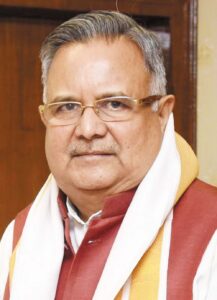 Meanwhile, the ongoing budget session of the Chhattisgarh Legislative Assembly is missing the presence of Speaker Dr Raman Singh due to health reasons. After undergoing spinal surgery, he has returned to the state capital but is currently resting on medical advice.
In his absence, BJP MLAs Dharamjeet Singh and Dharamlal Kaushik have been presiding over the proceedings. Yet many legislators appear to feel the absence of Dr Raman Singh’s presence in the House.
Known for his balanced approach, he often guided new members during debates and ensured that both the ruling party and the opposition received fair opportunities to present their views. His ability to maintain equilibrium in the House during heated discussions had earned respect across party lines.
Perhaps that is why his absence this session is being felt by members on both sides of the aisle.